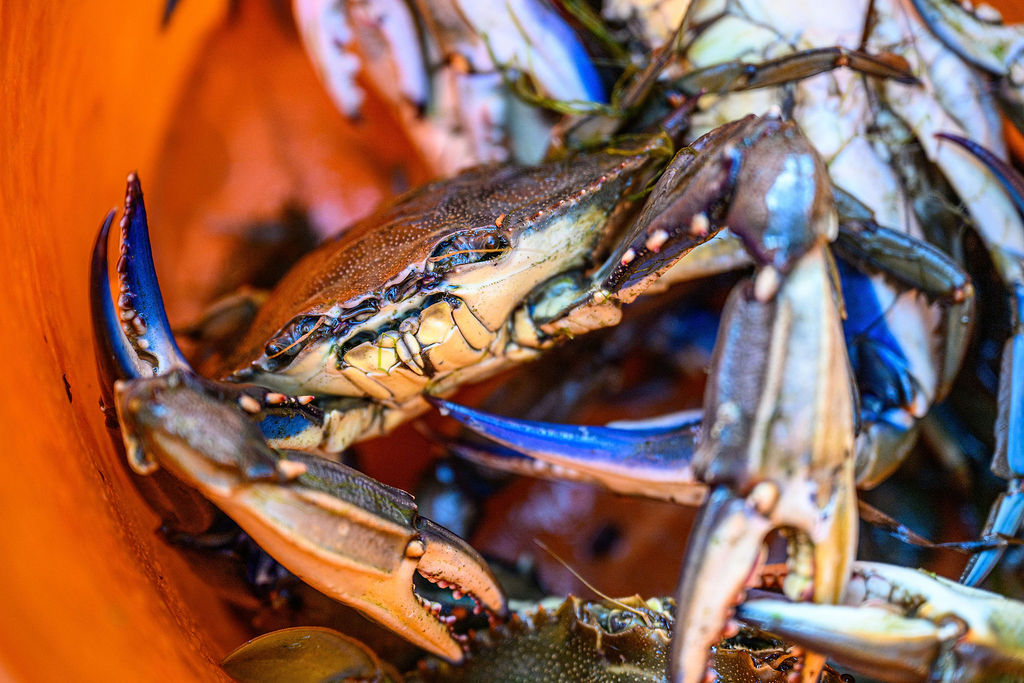
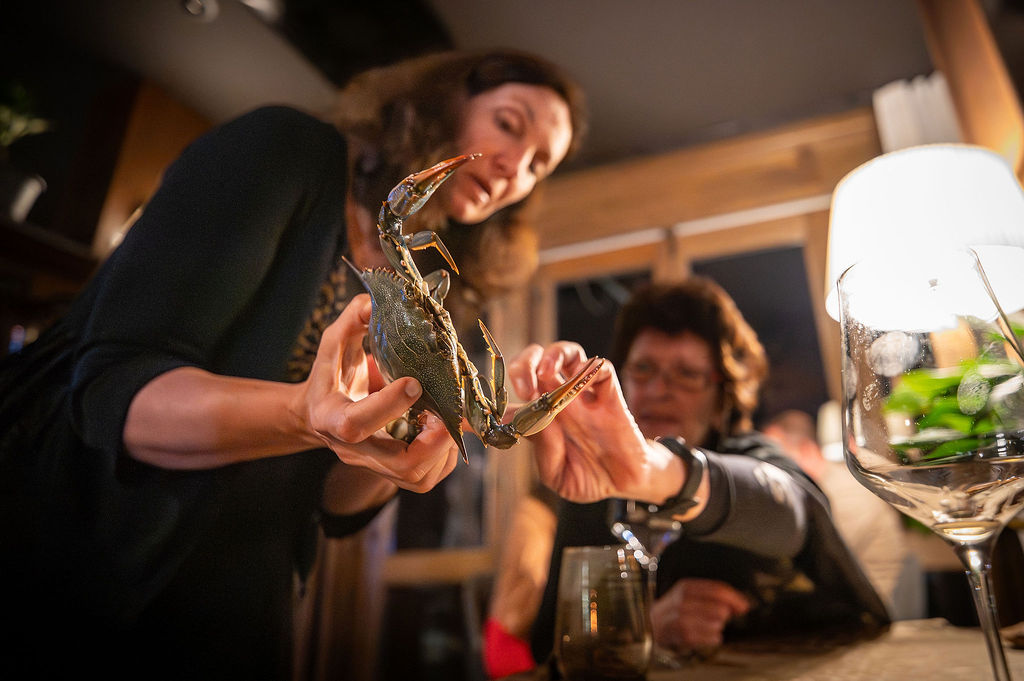
The blue crab is an invasive alien species that is appearing increasingly often in Slovenian waters and represents a challenge for the marine ecosystem and small-scale coastal fisheries. Yet this very challenge is also becoming an interesting culinary story in Portorož & Piran, connecting marine conservation, local fishermen, restaurants, curious residents and visitors.
Why is the blue crab important?
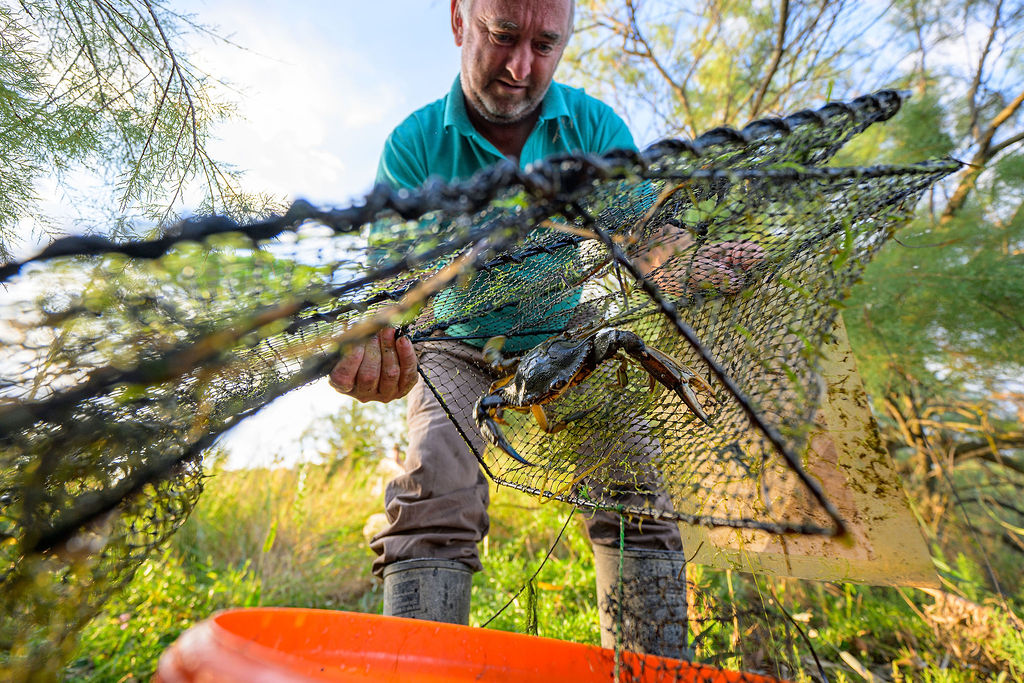
The blue crab (Callinectes sapidus) is one of the species highlighted by the Slastna invazija project due to its increasingly frequent presence in Slovenian waters. According to the project, fishermen catch individual blue crabs almost every day, while their presence can affect both the natural environment and fisheries – among other things by preying on shellfish, stealing catches from fishing nets and damaging fishing gear.
Monitoring invasive alien species is an important part of responsible environmental management in our destination as well.
The blue crab also raises an interesting question: can a species that presents an environmental challenge be incorporated into the local economy in a way that also contributes to its management?
Slastna invazija connects fisheries, expertise and gastronomy
The project Slastna invazija: New species, a new opportunity for small-scale coastal fisheries focuses precisely on finding such solutions. Its aim is to connect the ecological challenge posed by invasive species with new opportunities for small-scale coastal fisheries, gastronomy, education and public awareness.
The project is led by MAR in CO, d.o.o., in cooperation with Maristra d.o.o., while YouSea Institute participates as an associated partner, contributing expertise in marine biodiversity, sustainable harvesting and blue crab monitoring.
The project therefore brings together species monitoring, the development of more effective harvesting methods, cooperation with fishermen and restaurants, culinary use and public awareness.
When blue crab reaches the plate
Although the term “invasive species” primarily refers to an environmental issue, blue crab is also highly valued as a seafood delicacy in other parts of the world. Gastronomy has therefore become one of the ways in which the project connects an environmental challenge with the local offer.
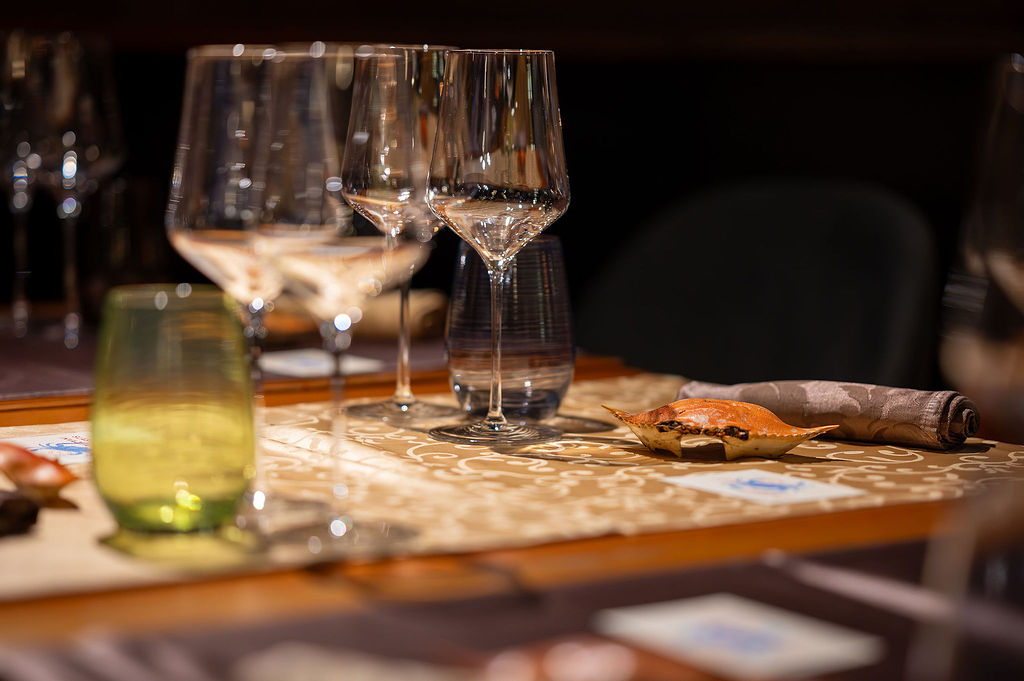
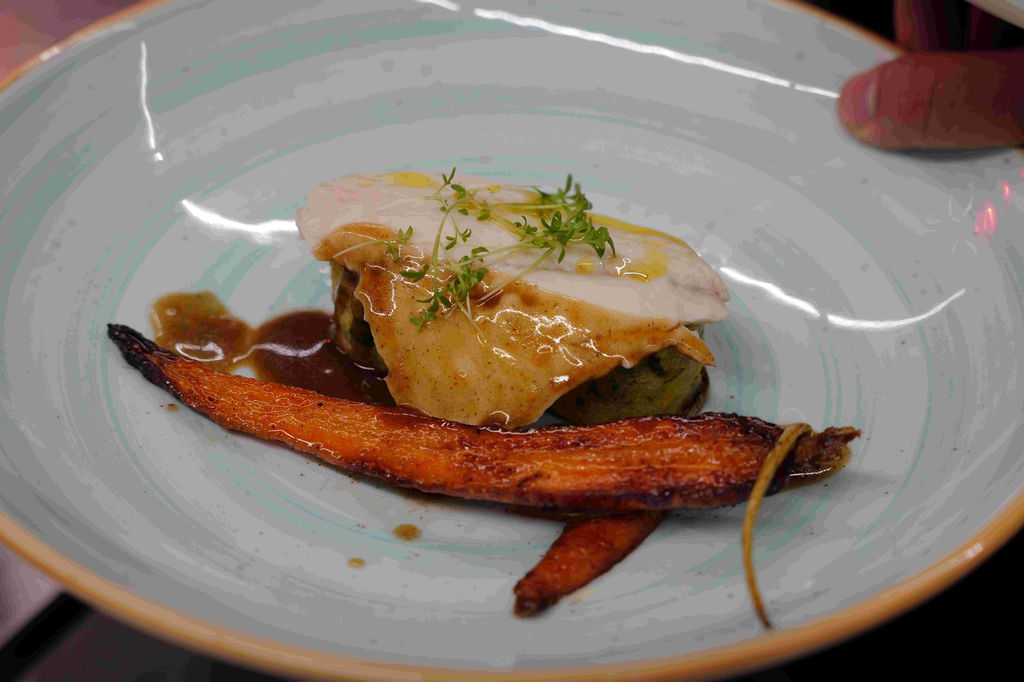
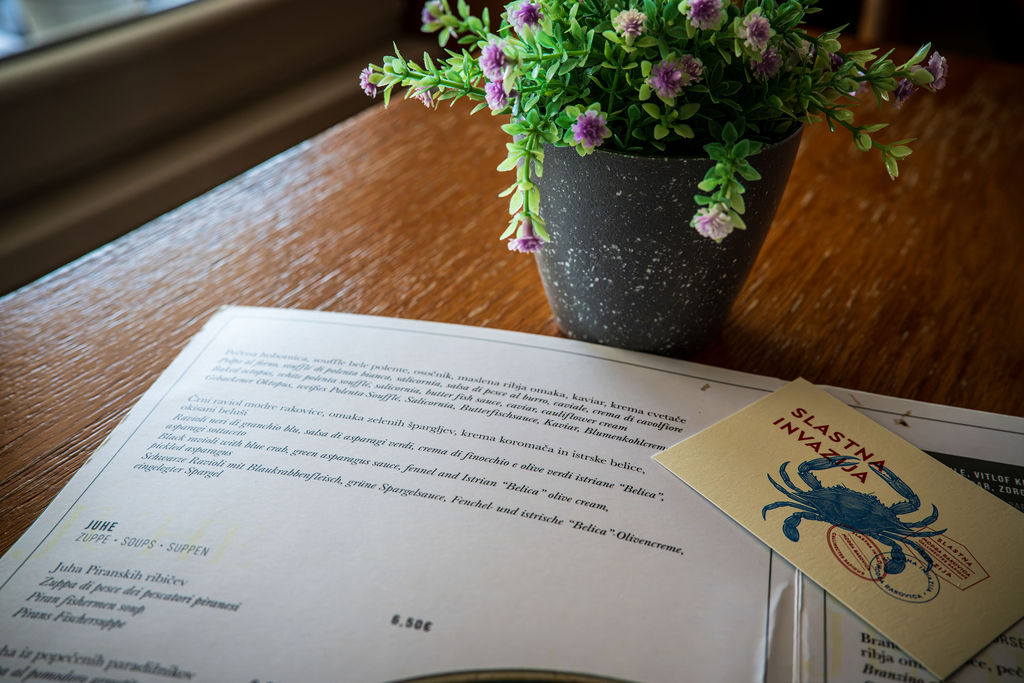
In Portorož & Piran, a number of restaurants have joined the story, presenting blue crab through a variety of culinary approaches – from multi-course tasting menus and traditional seafood dishes to pizza and burgers.
At Rizibizi Restaurant, chef Tomaž Bevčič created a multi-course menu featuring different interpretations of blue crab – from ravioli and soup to crab cakes accompanied by locally inspired elements.
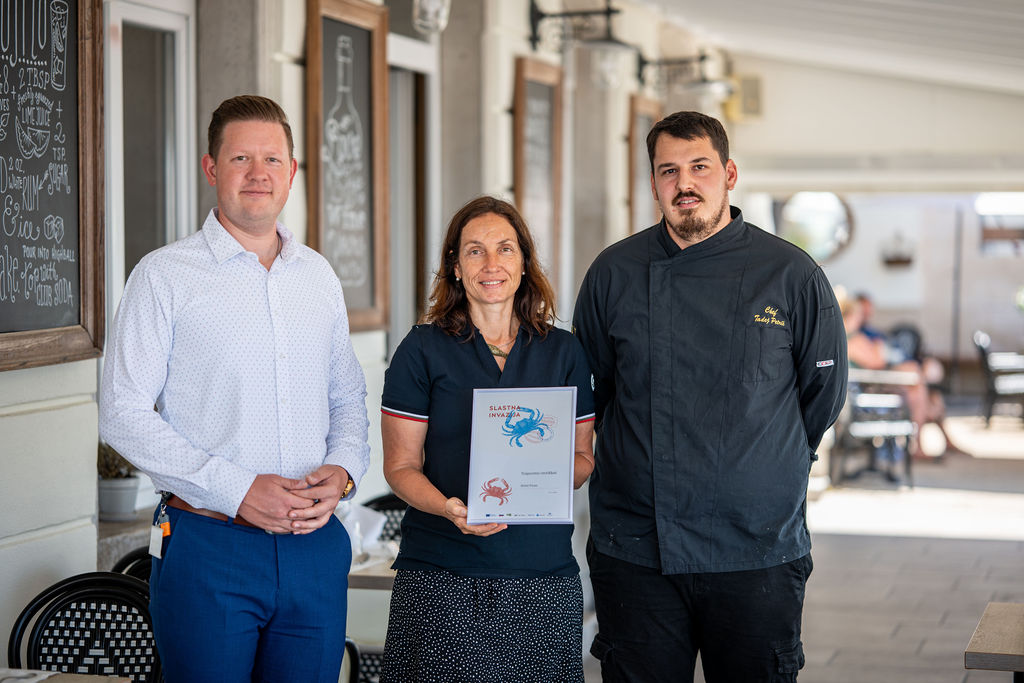
This was followed by a Blue Crab Evening at Marina Portorož Restaurant, where chef Jernej Podpečan and his team prepared a special menu and introduced guests to blue crab as an interesting seafood ingredient offering a different perspective on Mediterranean cuisine.
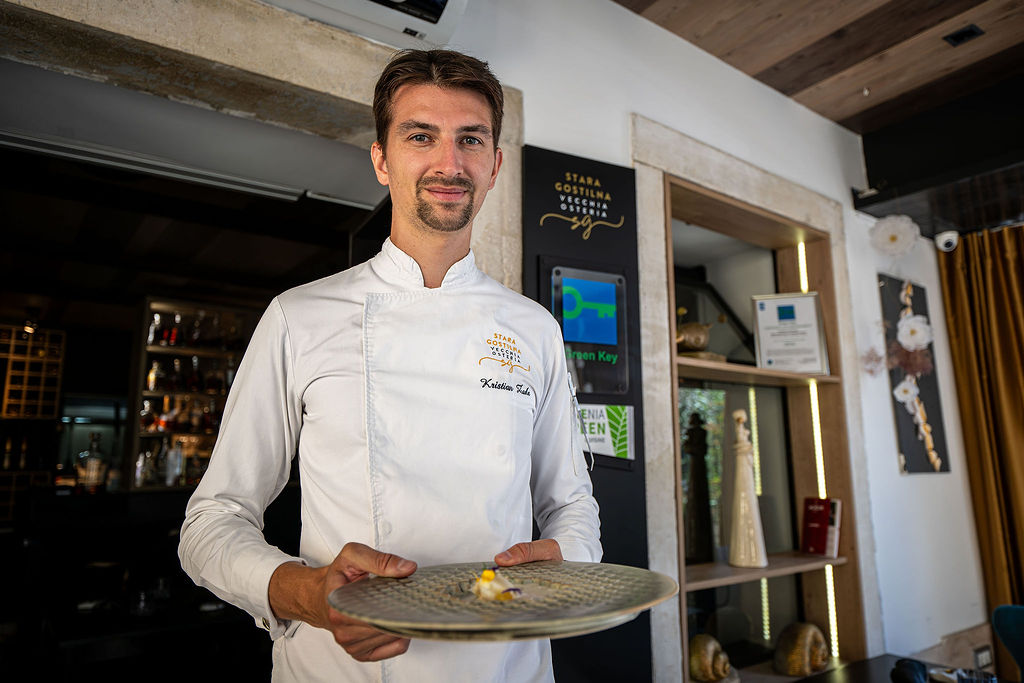
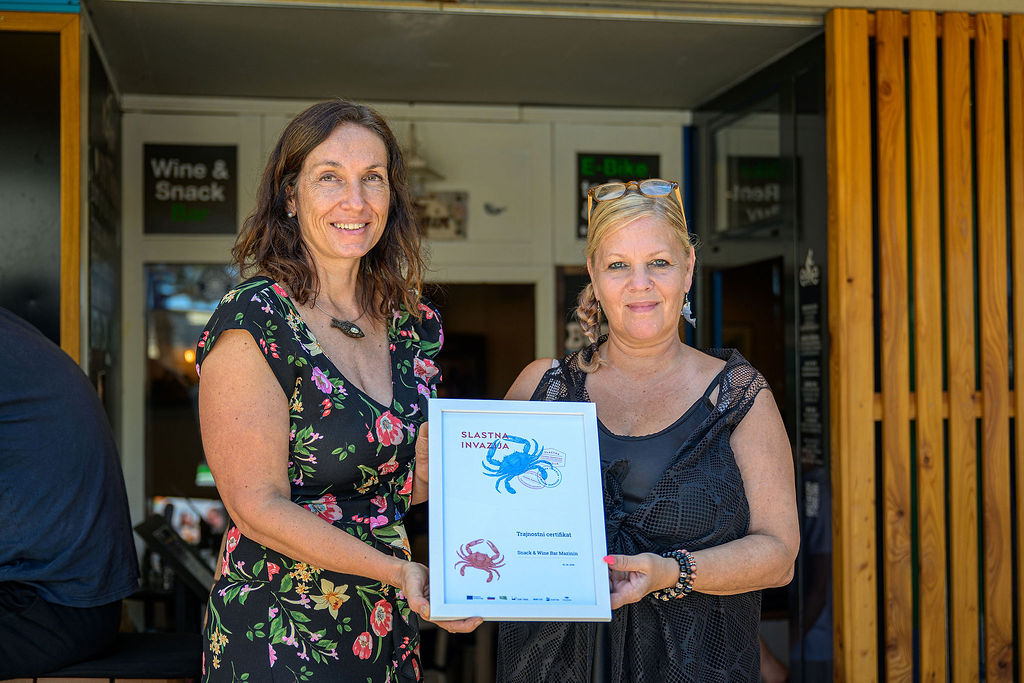
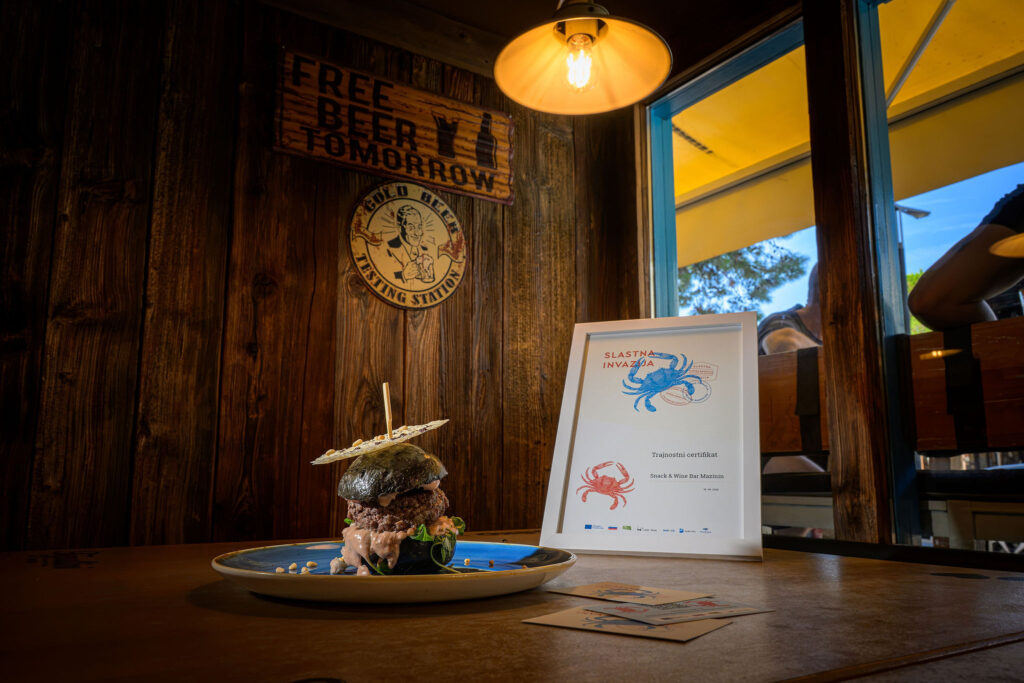
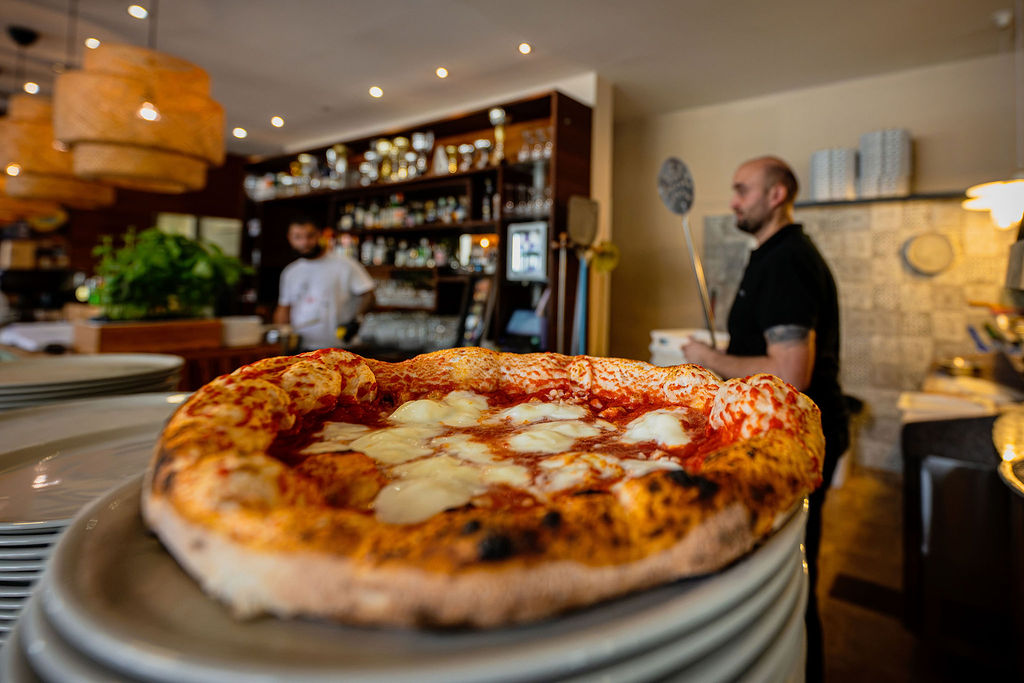
The project also involved Pizzeria Vesuvio, Hotel Piran Restaurant, Stara gostilna – Vecchia osteria, Beli Križ Tavern and Snack & Wine Bar Mažinin, where blue crab even found its way into a burger.
In this way, blue crab is becoming accessible not only through special gastronomic events, but also as part of a more relaxed, everyday culinary offer.
From ravioli to pizza: recipes for curious food lovers
The story does not end in restaurants. The project has also prepared a collection of blue crab recipes, showing just how versatile this ingredient can be.
The recipes include soup with lemongrass, coconut and lime, ravioli, crab cakes, blue crab pasta, spring risotto, fritto misto, a surf & turf burger and even Pizza Granchio with blue crab.
For residents and visitors, the collection can be an interesting source of inspiration for discovering a new ingredient. For restaurants, it is an example of how an environmental challenge can become a starting point for creativity, a local story and a new gastronomic offer.
Taste as a way of telling the story of the sea
Initiatives like this have particular value for a tourism destination. Through a dish, guests discover not only a new taste, but also the story of the Slovenian sea, local fisheries and the changes taking place in the marine environment.
Gastronomy can therefore also become a tool for raising awareness. When a guest learns why blue crab is on the plate, the dish gains a broader meaning – it becomes an opportunity to talk about biodiversity, invasive species, sustainable fishing and a responsible relationship with the sea.
For restaurants in the destination, this is an opportunity to connect their offer with the local environment and provide an experience with a story. For visitors and residents, it is a chance to taste something new while gaining a better understanding of the sea beside which we live and spend our holidays.
The Slastna invazija project will continue with harvesting activities, fishing excursions, culinary content, workshops and recipe development, continuing to connect fisheries, gastronomy and care for the marine environment.
Source: Slastna invazija project / Misli na morju, noge v lavorju / YouSea Institute