Visit Tonina House in Sv. Peter and discover an authentic image of Istrian rural life through the stories of the homestead, olive growing, and everyday chores of the past. Walk through the old stone house and experience a unique setting where tradition, heritage, and the spirit of the Istrian countryside are still preserved today.
THE EXPERIENCE INCLUDES:
- entry to the ethnological collection Tonina House
- a tour of a traditional Istrian farmhouse
- exploration of preserved living spaces
- insight into the life of Istrian families in the 19th and early 20th centuries
- a visit to the old olive mill and traditional tools
- learning about the traditional production process of olive oil in the past
- presentation of Istrian cultural heritage and architecture
The story of an Istrian homestead from the past
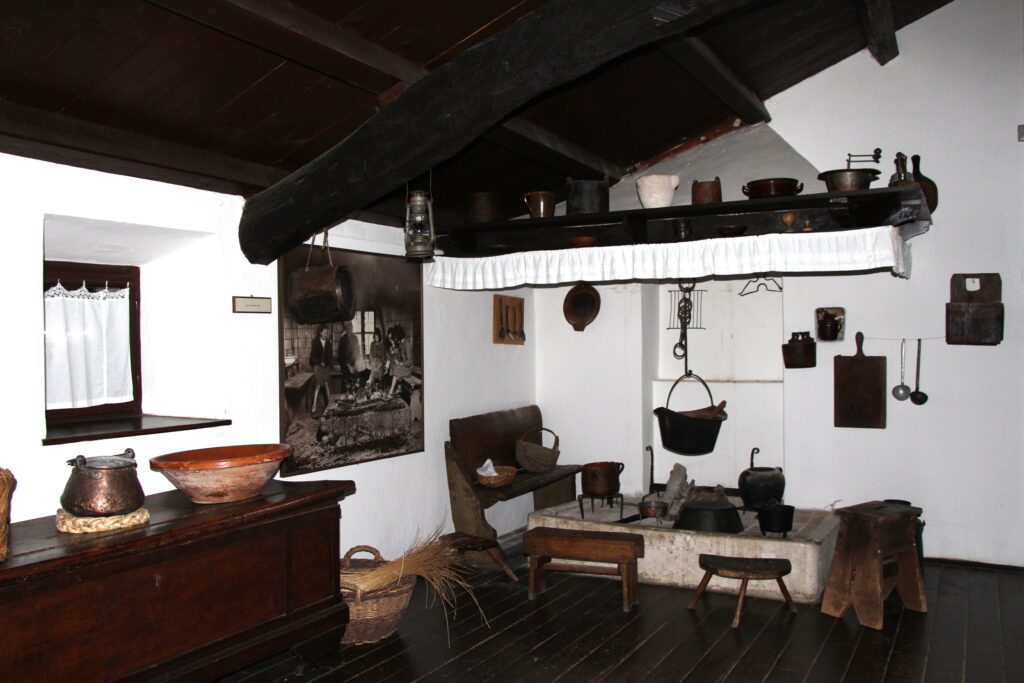
Tonina House in Sv. Peter is one of the rare preserved examples of traditional Istrian rural architecture, offering visitors an insight into life in the countryside in the past. The stone house, once the home of a wealthier Istrian family, now tells stories of everyday life, work, and family customs through its ethnological collection. On the upper floor, the preserved living spaces include a kužina and a kamara, where visitors can feel the simplicity and warmth of former Istrian homes.
The space is given special value by its authentic interior with a wooden roof structure, traditional furniture, and objects used by locals as late as the first half of the 20th century. A walk through the house reveals the close connection between people, nature, the seasons, and work on the land, which shaped life in Istrian villages for centuries.
Traditional olive mill and olive-growing heritage
A special feature of Tonina House is the preserved olive mill on the ground floor, where visitors can learn about the traditional process of olive oil production, once widespread throughout Istria. Among old mills, wooden structures, and presses, the important story of olive growing is revealed — one of the most important activities of the Istrian countryside. The space takes visitors back to a time of manual work, when obtaining olive oil was a long and precise process, closely connected with family life and the local community.
The ethnological collection presents not only an old house, but an entire way of life that is slowly disappearing today. A visit to Tonina House is therefore a special experience for everyone who wishes to better understand Istrian cultural heritage, traditional architecture, and the life of the people who shaped the image of the Istrian countryside for centuries.