
In the former Monfort salt warehouse, stories of the sea, trade, and life in the salt pans of Slovenian Istria come together. Step into this impressive seaside space and discover a heritage that, through exhibitions and a unique atmosphere, takes you back to the golden age of salt-making.
THE EXPERIENCE INCLUDES:
- entry to the historic Monfort salt warehouse
- viewing of permanent and temporary exhibitions
- discovering the salt-making and maritime heritage of Istria
- insight into the development of trade and port activities along the coast
- exploring the architectural features of the former warehouse
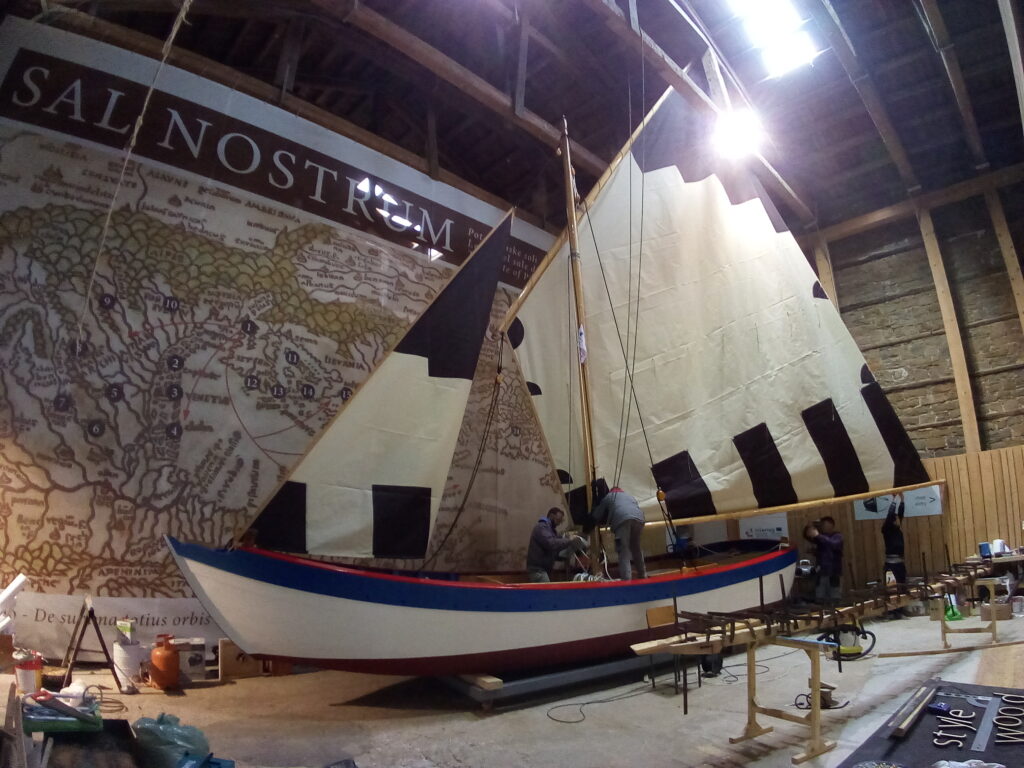
The story of a mighty salt-making heritage
Monfort is considered one of the few preserved examples of former salt warehouses on the Slovenian coast and an important monument to the time when salt production was a key economic activity of Istria. It was built in the mid-19th century and, together with the Grando warehouse, remains a valuable reminder of the period of intensive salt trade and the development of coastal towns. The monumental stone and wooden building impresses visitors at first sight, while its interior reveals an exceptionally well-planned design of a former storage space.
During its operation, Monfort could store up to 20,000 tonnes of salt. One of the building’s special features is its high doors at a height of five metres, which were used when the interior was filled almost to the top. Today, this architectural solution offers visitors an insight into the demanding logistics and organisation of the former salt trade, which connected Istria with other important ports of the Adriatic.
A place where the maritime past comes to life
Monfort today is not only a historic building, but a place where heritage intertwines with contemporary exhibition content. Through the exhibitions, visitors can learn about the life of salt workers, the importance of public warehouses, and the development of trade routes that shaped life along the Slovenian coast for centuries. During the time of the Venetian Republic, warehouses were of key importance for the safe storage of salt, protecting it from weather conditions and smuggling, while also enabling trade in this valuable commodity across the wider Mediterranean.
A walk through the impressive interior of the warehouse reveals the exceptional atmosphere of a former industrial space by the sea. The stone walls, wooden roof structure, and open view towards the coast create a special experience, transporting visitors back to the time of maritime trade, bustling ports, and the rich salt-making tradition of Slovenian Istria.