The Portorož Tourist Board presents the new integrated visual identity of the Portorož and Piran destination, featuring the first dynamic logo among tourist destinations and a new web portal. Following a record-breaking 2025, the new season is off to an intensive start with high-profile international presentations. Early indicators point toward a strong tourist season.
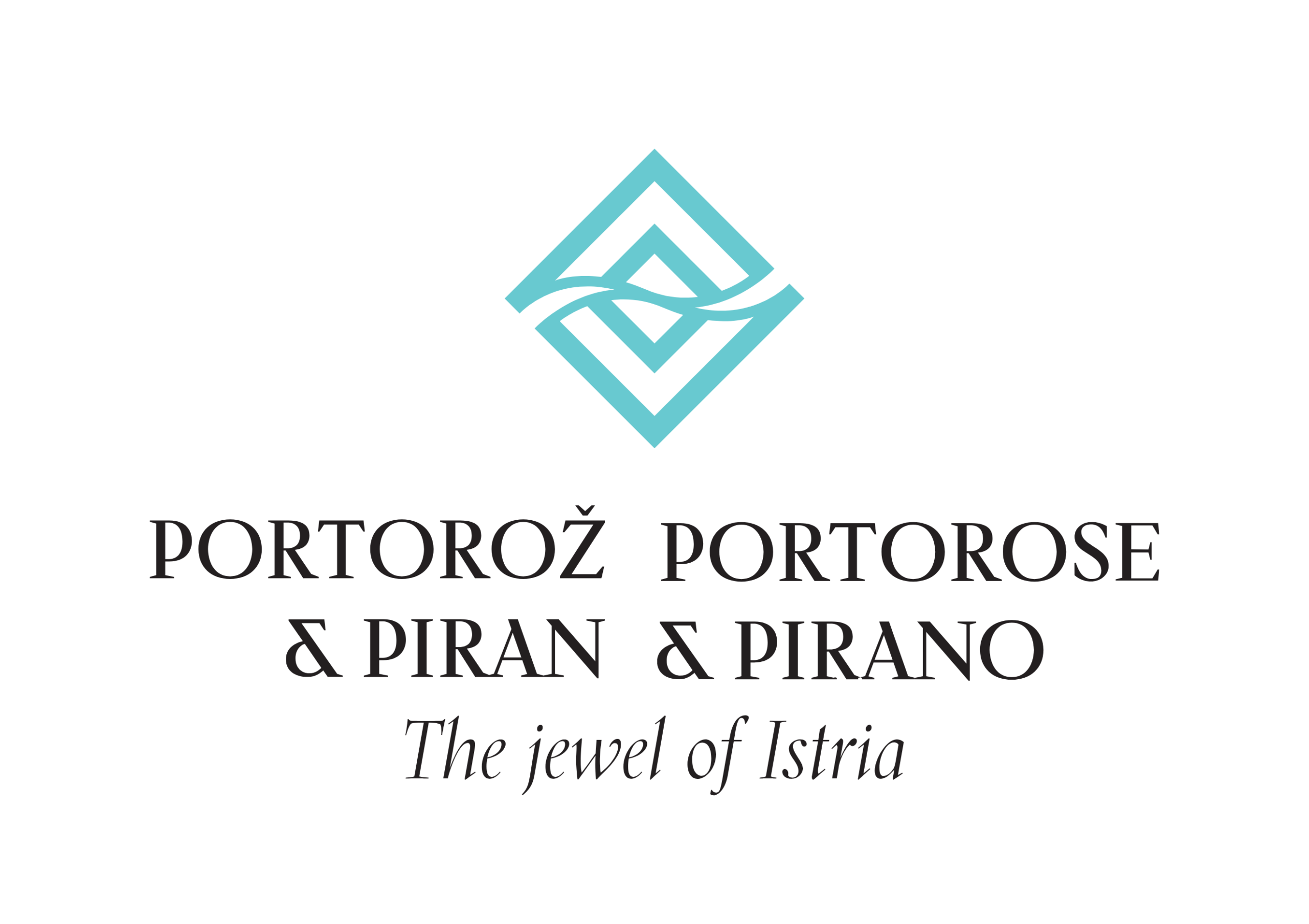
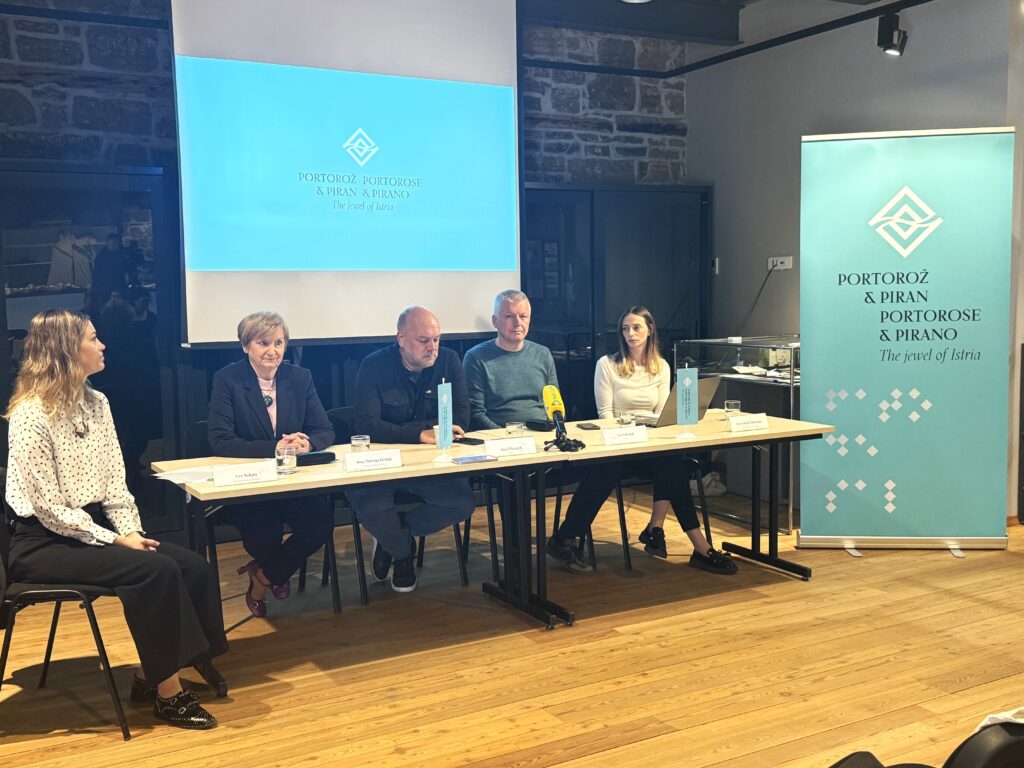
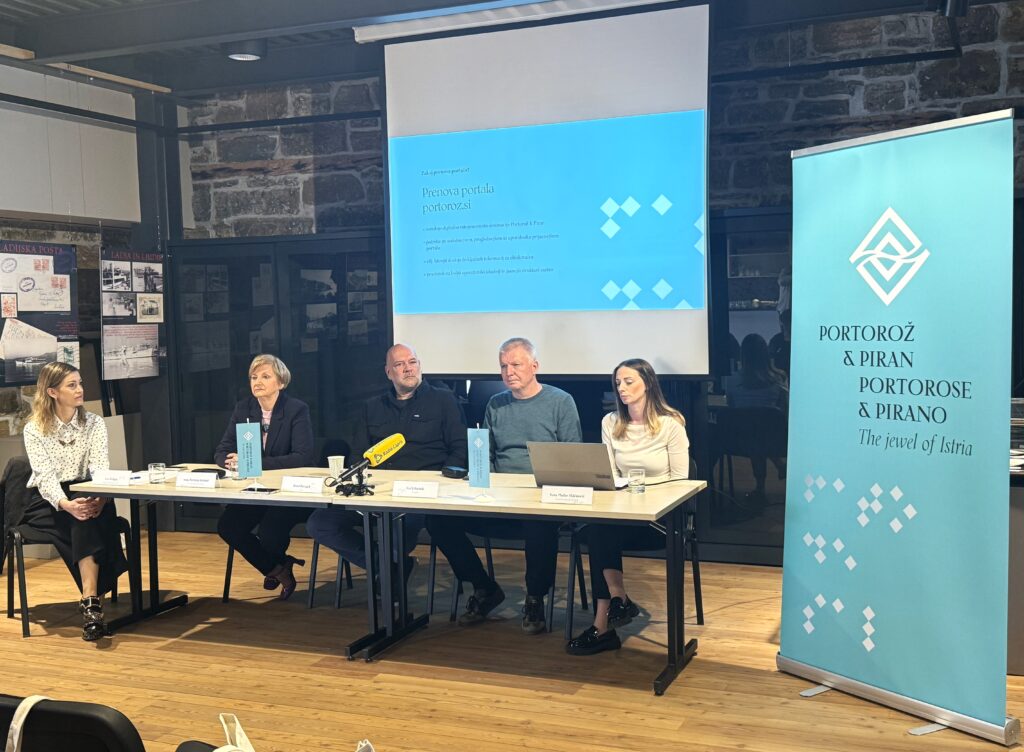
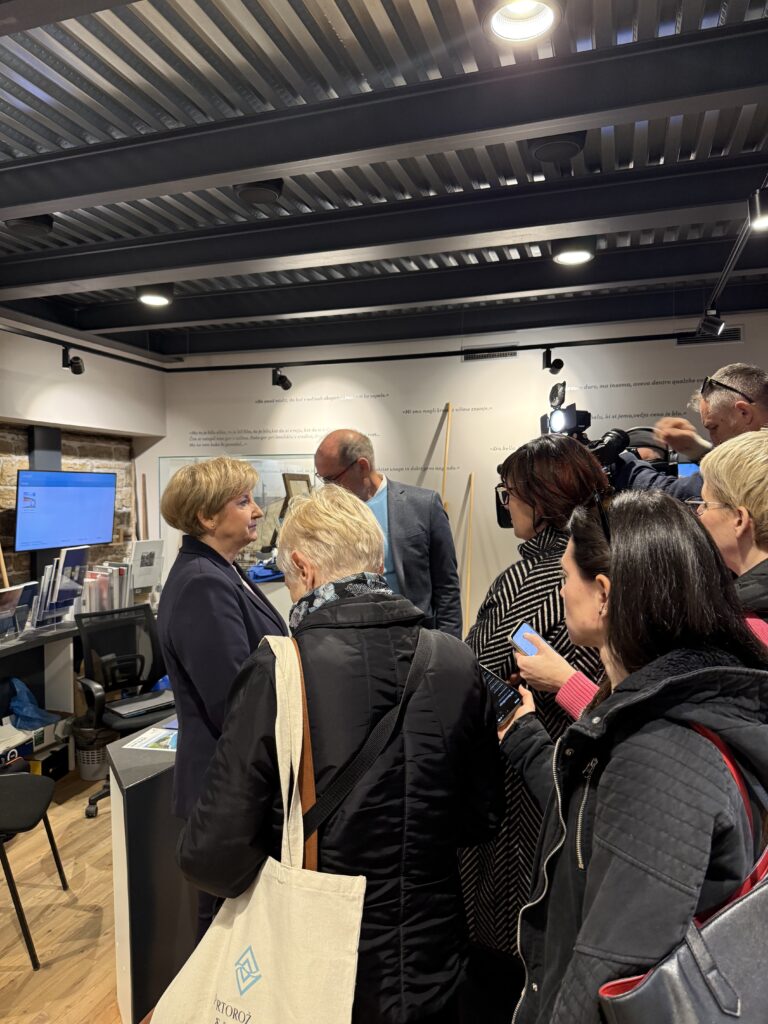
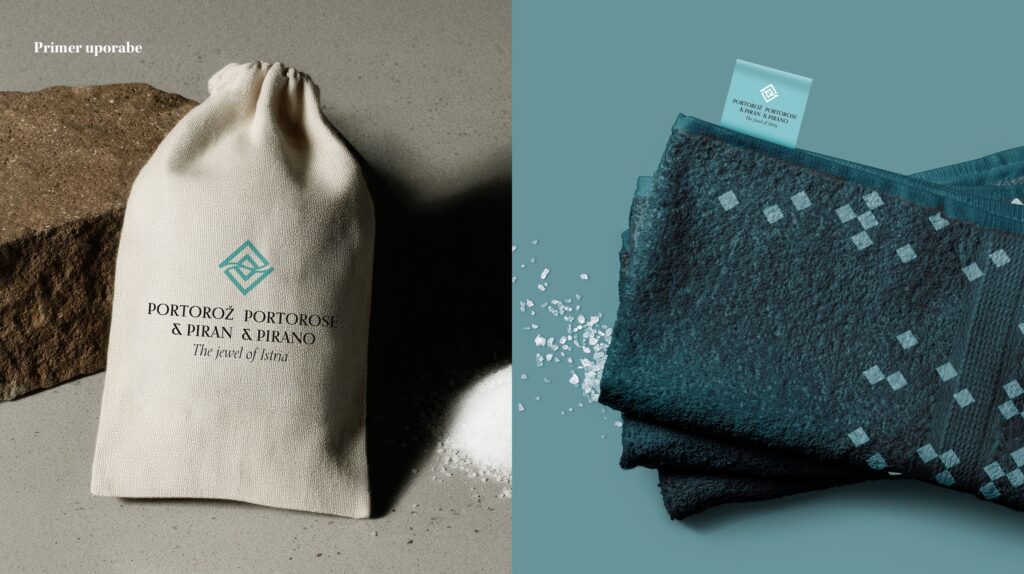
Today, at a press conference, the Portorož Tourist Board unveiled the new integrated visual identity for the Portorož and Piran destination. At its core is the salt crystal—a powerful, authentic, and historically rooted symbol of the region. Salt is not merely a recognizable element; it is the heart of the destination’s identity. For centuries, salt harvesting has shaped its culture, landscape, and economy. The new image highlights the uniqueness of the destination, weaving a single story from two distinct characters: the romantic and authentic Piran, and the modern and vibrant Portorož.
The Director of the Portorož Tourist Board, Patricija Gržinič, MSc, emphasized during the presentation: “With this redesign, we aimed to upgrade the brand toward a higher perceived value and a more refined, high-quality image. In the coming days, we are launching a year-round online campaign featuring the new visual identity.”
The new identity is accompanied by the slogan The Jewel of Istria (The Jewel of Istria / Il gioiello dell’Istria / Das Juwel Istriens). This refers to the salt crystal as a symbol of preciousness, positioning the destination in a premium quality segment and clearly situating it within the broader Istrian region.
A Professional and Systematic Process
The renovation process was conducted rigorously and systematically. Zenel Batagelj, branding expert and founder of Valicon, collaborated on the project: “Portorož and Piran combine two distinctly different identities, so the key question was what connects them and what sets the destination apart from others. We found the answer in the fleur de sel crystal. Salt is an incredibly powerful and versatile symbol that offers a solid foundation for further brand development.”
Key values were defined through workshops, the central symbol was chosen, and the core brand promise was formulated. These findings were presented to experts and stakeholders, including representatives from the tourism industry and the public sector, receiving an overwhelmingly positive response. Based on this, a public call for designers was issued. From seven applicants, five finalists were selected to prepare conceptual solutions, with the agency AV Studio chosen for the final execution. Their solution stands out for its clarity, modern approach, and strong symbolism, convincingly reflecting the identity of the area and its ambition for high-tier positioning.
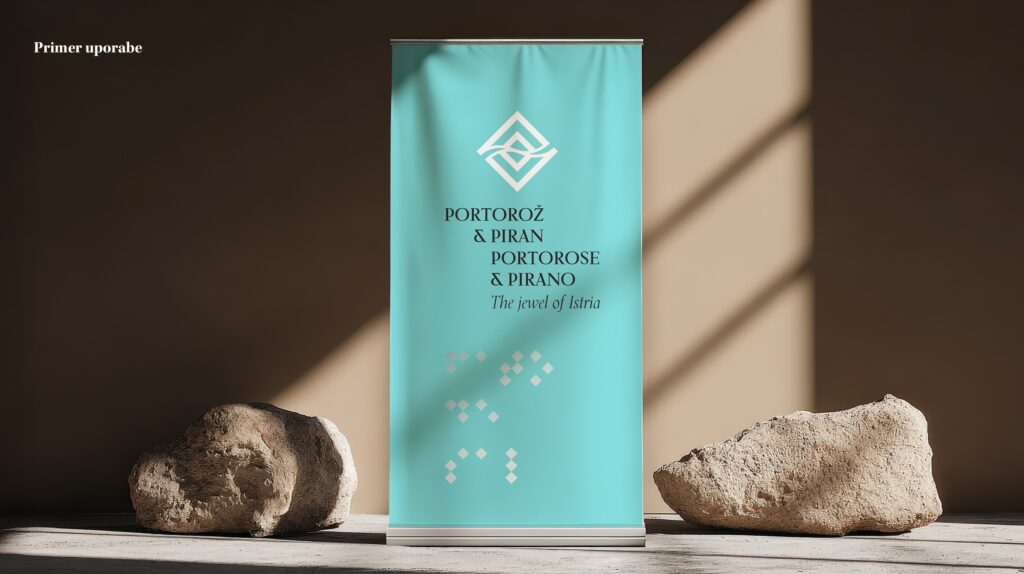
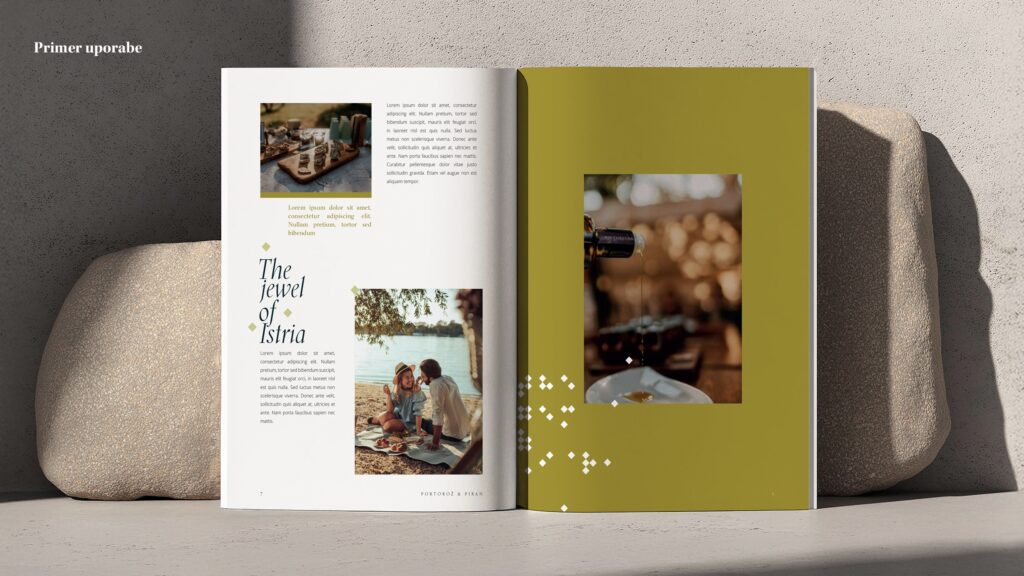
Gal Erbežnik, Executive Creative Director at AV Studio, noted: “Salt as a starting point offers an exceptionally broad yet concrete creative framework. It is an element deeply anchored in history and local identity, yet it feels modern, universal, and aesthetically sophisticated. On this basis, we developed a visual system centered on the salt crystal as a basic building block in the shape of a rhombus. From this, diverse graphic compositions are created, allowing for flexible use across all communication materials.”
A unique feature of the system is the integration of Braille, used to write the slogan The Jewel of Istria in basic compositions, allowing for a tactile experience via embossed printing. Another important aspect is scalability—including the development of an image generator that will convert photographs into a recognizable salt crystal pattern, ensuring a unified yet fresh visual interpretation.
The First Dynamic Logo
A key element of the new identity is the dynamic logo, marking the first time a modern, moving visual element of this kind has been introduced among tourist destinations. On digital platforms, the symbol animates from salt crystals into the final icon. The animation is accompanied by the phrase Fato de sal, derived from the oldest Piranese saying in the Istro-Venetian dialect, “Piran xe fato de sal” (Piran is made of salt), further emphasizing the deep connection between the location and salt.
The Destination’s New Web Portal
At the end of last year, the Portorož Tourist Board also launched the redesigned web portal portoroz.si, the central digital hub for the destination. The redesign focused on transparency, ease of use, and an improved user experience (UX). The portal provides visitors with faster access to key information, experiences, events, and booking options, while logically connecting content. Special emphasis was placed on mobile optimization and highlighting current seasonal offers.
An Encouraging Start to the New Season
2025 was a record-breaking year for the Municipality of Piran in terms of overnight stays. According to ttaksa.si, guests generated 1,961,712 overnight stays, representing a 4% growth compared to 2024. Growth in the spring season was particularly notable—between April and June, overnight stays increased by up to 33%, confirming successful efforts to extend the tourist season.
The Portorož Tourist Board entered 2026 with intensive promotional activities. In February, under the Love Istria brand, the destination was presented to Italian media and travel agents in Bolzano during the opening of the Milano–Cortina 2026 Winter Olympics, and in March in the center of Milan. That same month, they attended the Conventa trade show in Ljubljana, where Portorož received the Meetings Star award.
The beginning of the year was also marked by several high-profile media features abroad. Reports on the destination appeared in the Italian magazine Chi, the newspapers Il Messaggero and Quotidiano Nazionale, and the German magazine Reisen Exclusiv. Additionally, the Lufthansa Bucket List included it as a must-visit destination for this year.
The outlook for the coming months is encouraging, with early indicators suggesting a strong summer season. Promotional activities will focus primarily on key markets in Austria, Germany, and Italy, while also targeting guests from the Visegrád Group countries. In collaboration with the Faculty of Tourism Studies – Turistica, two important strategic documents were prepared: an evaluation of the Tourism Development Strategy through 2025 and a new Tourism Development Action Plan through 2030.